Mother and child health in Kebbi
What do families in Kebbi State know, and do, about the health of mothers and babies?
The background
Child death rates in Nigeria were higher than in many African countries with similar incomes. In Kebbi State, very few women gave birth with a skilled health worker, and many children weren't fully vaccinated.
Before the project could plan its health messages, it needed to know what families actually knew, believed and did. That's what a KAP survey (knowledge, attitudes and practice) finds out.
What I did
Our team visited 320 households across 16 local government areas. We also ran focus groups with mothers and fathers, and interviewed community leaders and health workers.
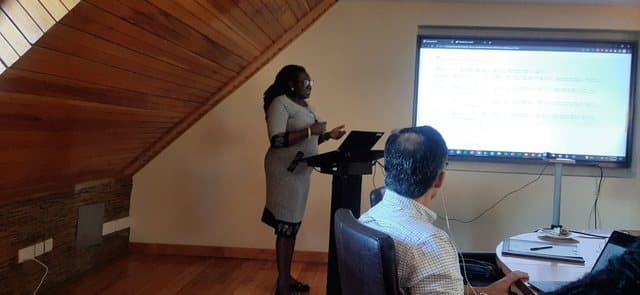
I supervised the data collection in the field, then cleaned and analysed the data. After that, I helped present the findings back to the community, government and UNICEF.
The numbers that matter
households reached, a 99% response rate
of women rely on men to pay for their health care
practise exclusive breastfeeding
wash their hands with soap
71% of mothers saw a skilled health worker during pregnancy, yet more than half still gave birth at home.
42% of children had recently had diarrhoea. Health workers and community campaigns were the main source of health information, followed by radio.
The findings shaped the project's community messages on handwashing, giving birth at a health facility, care after birth, completing vaccinations and exclusive breastfeeding.
They also showed how much women's health depends on men's decisions, so the messages needed to reach fathers too.
Slides and figures
These come straight from my presentations and model outputs. Tap any one to see it bigger.